
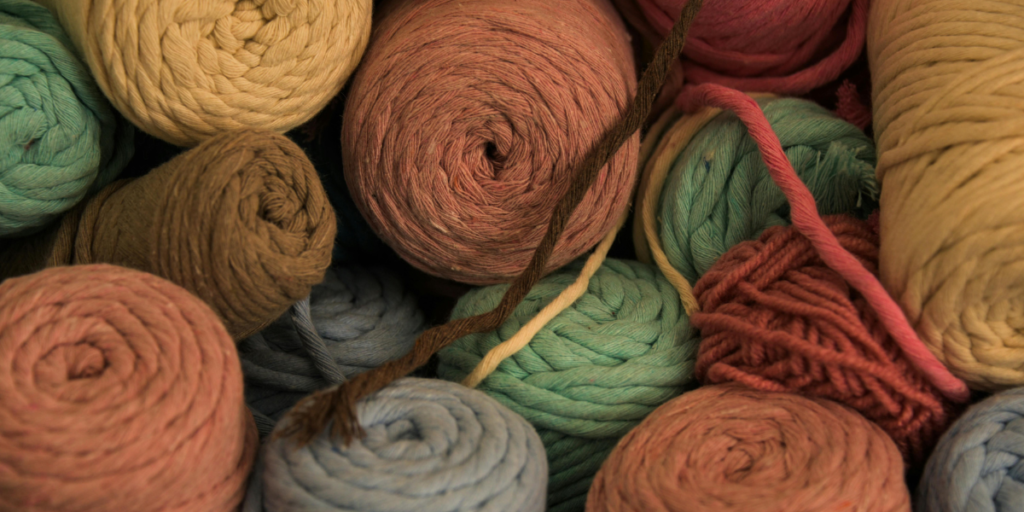
Polypropylene Multifilament Yarn has become one of the most widely used synthetic yarns in industrial textile manufacturing due to its exceptional strength, lightweight properties, durability, and resistance to chemicals and moisture. From webbing and ropes to FIBC bags and geotextiles, industries worldwide rely on polypropylene multifilament yarn for demanding applications that require long-lasting performance.
The growing demand for high-performance industrial textiles has increased the use of PP multifilament yarn in sectors such as construction, packaging, agriculture, transportation, marine, and safety equipment manufacturing.
In this article, we explore the most common polypropylene multifilament yarn uses, its key properties, and why it remains a preferred choice for industrial applications.
What is Polypropylene Multifilament Yarn?
Polypropylene Multifilament Yarn is manufactured from polypropylene polymers and consists of multiple continuous filaments twisted together to create a strong and flexible yarn structure. It is known for its high tensile strength, low density, abrasion resistance, and excellent durability.
Industries choose polypropylene yarn because it offers a cost-effective solution while maintaining superior performance in challenging environments.
Key Properties That Make Polypropylene Multifilament Yarn Useful
Before exploring its applications, it is important to understand the properties that make PP multifilament yarn suitable for industrial use.
High Tensile Strength
The yarn can withstand heavy loads and mechanical stress, making it ideal for lifting slings, webbing, ropes, and industrial fabrics.
Lightweight Construction
Polypropylene is one of the lightest synthetic fibers available, reducing the overall weight of finished products without compromising strength.
Excellent Moisture Resistance
Unlike many textile fibers, polypropylene absorbs very little water, making it suitable for outdoor and marine applications.
UV Resistance
UV-stabilized polypropylene yarn can withstand prolonged exposure to sunlight, extending product lifespan.
Chemical Resistance
The yarn performs well when exposed to acids, alkalis, and industrial chemicals, making it valuable in harsh industrial environments.
Abrasion Resistance
Its ability to resist wear and friction improves durability in high-use applications.
1. Webbing Manufacturing
One of the most significant polypropylene multifilament yarn applications is the production of narrow woven fabrics and webbing products.
Common webbing applications include:
- Safety harnesses
- Cargo lashing straps
- Industrial belts
- Pet collars and leashes
- Outdoor equipment straps
- Backpack webbing
The combination of strength, flexibility, and lightweight construction makes polypropylene yarn an ideal choice for webbing manufacturers.
2. Rope and Cord Manufacturing
Polypropylene multifilament yarn is widely used in the production of ropes and cords for various industrial and commercial purposes.
Applications include:
- Marine ropes
- Utility ropes
- Agricultural ropes
- Construction ropes
- Mooring lines
- Industrial cordage
Its low water absorption and excellent strength-to-weight ratio make it particularly valuable for marine and outdoor applications.
3. FIBC Bags and Bulk Packaging
Flexible Intermediate Bulk Containers (FIBCs) rely heavily on polypropylene-based materials.
PP multifilament yarn is used in:
- Lifting loops
- Reinforcement straps
- Bulk container support structures
- Heavy-duty packaging solutions
The yarn’s durability and load-bearing capabilities help ensure safe transportation and storage of bulk materials.
4. Safety Harness and Fall Protection Equipment
Safety equipment manufacturers use polypropylene multifilament yarn in the production of:
- Full-body safety harnesses
- Shock-absorbing lanyards
- Positioning belts
- Safety straps
- Fall arrest systems
High-tenacity yarn helps improve the overall strength and reliability of personal protective equipment used in industrial environments.
5. Geotextile and Construction Applications
The construction industry benefits from polypropylene multifilament yarn due to its strength and environmental resistance.
Applications include:
- Soil stabilization systems
- Geotextile fabrics
- Erosion control products
- Ground reinforcement materials
- Drainage solutions
Its resistance to moisture and chemicals contributes to the long-term performance of infrastructure projects.
6. Agricultural Applications
Agricultural manufacturers utilize polypropylene yarn in products designed to withstand outdoor conditions.
Common uses include:
- Crop support twines
- Agricultural netting
- Shade nets
- Baler twine
- Greenhouse applications
The yarn’s UV resistance and durability help ensure reliable performance throughout growing seasons.
7. Industrial Sewing Threads
Polypropylene multifilament yarn is often converted into industrial sewing threads for applications requiring strength and resistance to environmental factors.
Industries using these threads include:
- Packaging
- Agriculture
- Industrial textiles
- Construction materials
- Outdoor products
The yarn delivers excellent seam strength while maintaining flexibility.
8. Filtration Fabrics
Industrial filtration systems often utilize fabrics manufactured from polypropylene yarn.
Applications include:
- Air filtration
- Water filtration
- Industrial dust collection
- Liquid filtration systems
Its chemical resistance and structural stability make it suitable for demanding filtration environments.
9. Automotive Textile Components
Automotive manufacturers use polypropylene yarn in various interior and technical textile applications.
Examples include:
- Seat reinforcement fabrics
- Interior trim components
- Storage netting
- Protective textile structures
The lightweight nature of polypropylene helps contribute to vehicle weight reduction goals.
10. Outdoor and Recreational Products
Outdoor product manufacturers rely on polypropylene yarn for durable textile components.
Applications include:
- Camping equipment
- Outdoor furniture straps
- Sports equipment
- Recreational accessories
- Utility webbing
Its weather resistance ensures long-term performance in outdoor environments.
11. Marine Industry Products
Marine environments require materials capable of resisting moisture and harsh weather conditions.
Polypropylene multifilament yarn is used in:
- Fishing ropes
- Mooring lines
- Dock lines
- Marine netting
- Floating rope systems
Its buoyancy and low water absorption make it particularly useful for marine applications.
12. Lifting Slings and Cargo Securement
Industrial transportation and logistics operations use polypropylene yarn in products such as:
- Webbing slings
- Cargo restraint systems
- Tie-down straps
- Load securement equipment
These applications require high load-bearing capacity and excellent abrasion resistance.
How to Choose the Right Polypropylene Multifilament Yarn?
Selecting the appropriate yarn depends on the intended application.
Consider the following factors:
Denier
Choose the correct denier based on strength requirements and fabric construction.
Tensile Strength
Higher-tenacity yarns are preferred for load-bearing applications.
UV Stability
Outdoor applications benefit from UV-stabilized yarn grades.
Color Requirements
Many industrial products require customized colors for branding or identification purposes.
End-Use Environment
Assess exposure to chemicals, moisture, sunlight, and abrasion before selecting yarn specifications.
Why Industries Prefer Polypropylene Multifilament Yarn?
Manufacturers across multiple industries continue to prefer polypropylene multifilament yarn because it offers:
- High tensile strength
- Lightweight performance
- Excellent durability
- Moisture resistance
- Chemical resistance
- Cost-effectiveness
- Long service life
- Versatile industrial applications
These advantages make it one of the most dependable materials for industrial textile production.
Conclusion
The versatility of polypropylene multifilament yarn makes it indispensable across numerous industries. Whether used in webbing, ropes, safety harnesses, FIBC bags, geotextiles, filtration fabrics, or agricultural products, its unique combination of strength, durability, and resistance properties delivers consistent performance.
As industrial applications continue to evolve, polypropylene multifilament yarn remains a preferred solution for manufacturers seeking reliable, lightweight, and cost-effective textile materials capable of meeting demanding operational requirements.
Frequently Asked Questions
What is polypropylene multifilament yarn used for?
Polypropylene multifilament yarn is used in webbing, ropes, safety harnesses, FIBC bags, geotextiles, filtration fabrics, agricultural products, and industrial textiles.
Why is polypropylene multifilament yarn preferred for webbing?
Its high tensile strength, flexibility, abrasion resistance, and lightweight properties make it ideal for webbing applications.
Is polypropylene multifilament yarn suitable for outdoor applications?
Yes. UV-stabilized polypropylene yarn performs well in outdoor environments and offers excellent resistance to moisture and weather conditions.
Can polypropylene multifilament yarn be used in FIBC bags?
Yes. It is commonly used in lifting loops, reinforcement straps, and structural components of FIBC bags.
What industries use polypropylene multifilament yarn?
Industries including packaging, agriculture, construction, logistics, marine, automotive, filtration, and safety equipment manufacturing use polypropylene multifilament yarn.
How does polypropylene multifilament yarn differ from polyester yarn?
Polypropylene yarn is lighter and absorbs less moisture, while polyester generally offers higher heat resistance and dimensional stability.
How do I choose the right PP multifilament yarn?
Consider denier, tensile strength, UV resistance, color requirements, and the intended end-use environment when selecting polypropylene multifilament yarn.